


Baby Steps
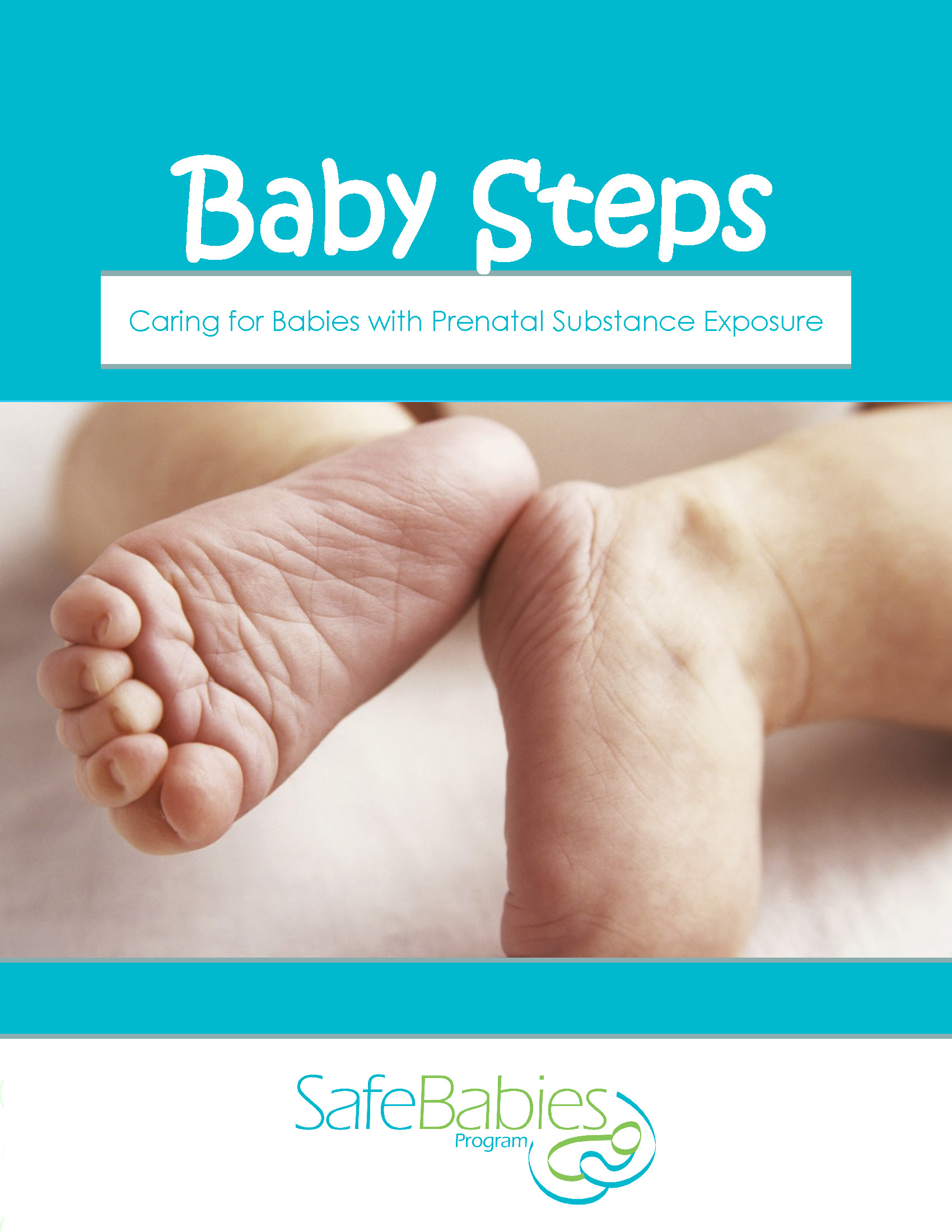
Caring for babies who have been prenatally exposed to substances requires knowing more than just “baby care”. Caring for babies who have been prenatally exposed to substances requires:
- An understanding that other than alcohol and drugs, things like the mother’s health, stress level, and nutrition impacts how a baby grows in the womb
- An understanding of the importance of preserving the parent-baby relationship, the baby’s cultural heritage, and family and community connections
- An understanding of the importance of infant attachment
- An ability to make a special connection to a baby
- An understanding about how to listen to babies and respond to their needs
- Caregiving strategies and “tools” for challenging times
- An ability to recognize problems with growth and development early on so that help can be received as soon as possible
- Knowledge about how to access community resources that assist and support caregivers and babies
- Recognizing that each individual infant is unique.
This booklet is a resource for parents and caregivers of babies who have been prenatally exposed to alcohol or other drugs. Information in this booklet was gathered from various sources, including parents, caregivers, professionals and published books and articles. The information in this booklet is about the daily care of babies aged birth to 12 months who may have been exposed to substances in the womb.
Baby Steps
Caring for babies who have been prenatally exposed to substances requires knowing more than just “baby care”. Caring for babies who have been prenatally exposed to substances requires:
- An understanding that other than alcohol and drugs, things like the mother’s health, stress level, and nutrition impacts how a baby grows in the womb
- An understanding of the importance of preserving the parent-baby relationship, the baby’s cultural heritage, and family and community connections
- An understanding of the importance of infant attachment
- An ability to make a special connection to a baby
- An understanding about how to listen to babies and respond to their needs
- Caregiving strategies and “tools” for challenging times
- An ability to recognize problems with growth and development early on so that help can be received as soon as possible
- Knowledge about how to access community resources that assist and support caregivers and babies
- Recognizing that each individual infant is unique.
This booklet is a resource for parents and caregivers of babies who have been prenatally exposed to alcohol or other drugs. Information in this booklet was gathered from various sources, including parents, caregivers, professionals and published books and articles. The information in this booklet is about the daily care of babies aged birth to 12 months who may have been exposed to substances in the womb.
Week 1
Baby Steps
1 - The Neurosequential Model
Caring for babies who have been prenatally exposed to substances requires knowing more than just “baby care”. Caring for babies who have been prenatally exposed to substances requires:
- An understanding that other than alcohol and drugs, things like the mother’s health, stress level, and nutrition impacts how a baby grows in the womb
- An understanding of the importance of preserving the parent-baby relationship, the baby’s cultural heritage, and family and community connections
- An understanding of the importance of infant attachment
- An ability to make a special connection to a baby
- An understanding about how to listen to babies and respond to their needs
- Caregiving strategies and “tools” for challenging times
- An ability to recognize problems with growth and development early on so that help can be received as soon as possible
- Knowledge about how to access community resources that assist and support caregivers and babies
- Recognizing that each individual infant is unique.
This booklet is a resource for parents and caregivers of babies who have been prenatally exposed to alcohol or other drugs. Information in this booklet was gathered from various sources, including parents, caregivers, professionals and published books and articles. The information in this booklet is about the daily care of babies aged birth to 12 months who may have been exposed to substances in the womb.
Series Videos
Baby Steps
Caring for babies who have been prenatally exposed to substances requires knowing more than just “baby care”. Caring for babies who have been prenatally exposed to substances requires:
- An understanding that other than alcohol and drugs, things like the mother’s health, stress level, and nutrition impacts how a baby grows in the womb
- An understanding of the importance of preserving the parent-baby relationship, the baby’s cultural heritage, and family and community connections
- An understanding of the importance of infant attachment
- An ability to make a special connection to a baby
- An understanding about how to listen to babies and respond to their needs
- Caregiving strategies and “tools” for challenging times
- An ability to recognize problems with growth and development early on so that help can be received as soon as possible
- Knowledge about how to access community resources that assist and support caregivers and babies
- Recognizing that each individual infant is unique.
This booklet is a resource for parents and caregivers of babies who have been prenatally exposed to alcohol or other drugs. Information in this booklet was gathered from various sources, including parents, caregivers, professionals and published books and articles. The information in this booklet is about the daily care of babies aged birth to 12 months who may have been exposed to substances in the womb.
Baby Steps
Caring for babies who have been prenatally exposed to substances requires knowing more than just “baby care”. Caring for babies who have been prenatally exposed to substances requires:
- An understanding that other than alcohol and drugs, things like the mother’s health, stress level, and nutrition impacts how a baby grows in the womb
- An understanding of the importance of preserving the parent-baby relationship, the baby’s cultural heritage, and family and community connections
- An understanding of the importance of infant attachment
- An ability to make a special connection to a baby
- An understanding about how to listen to babies and respond to their needs
- Caregiving strategies and “tools” for challenging times
- An ability to recognize problems with growth and development early on so that help can be received as soon as possible
- Knowledge about how to access community resources that assist and support caregivers and babies
- Recognizing that each individual infant is unique.
This booklet is a resource for parents and caregivers of babies who have been prenatally exposed to alcohol or other drugs. Information in this booklet was gathered from various sources, including parents, caregivers, professionals and published books and articles. The information in this booklet is about the daily care of babies aged birth to 12 months who may have been exposed to substances in the womb.
Baby Steps
Related Resources

Tips and tricks for foster parents sending their kids back to school.

What does it look like to fight for your marriage when you’re tempted to fight with your spouse? Fostering and adoption can strain even the healthiest of marriages. Author and speaker, Beth Guckenberger draws from her experience as a foster/adoptive mom to 11 kids and 30 years of marriage to teach practical tools and communication strategies to help you fight for your marriage.